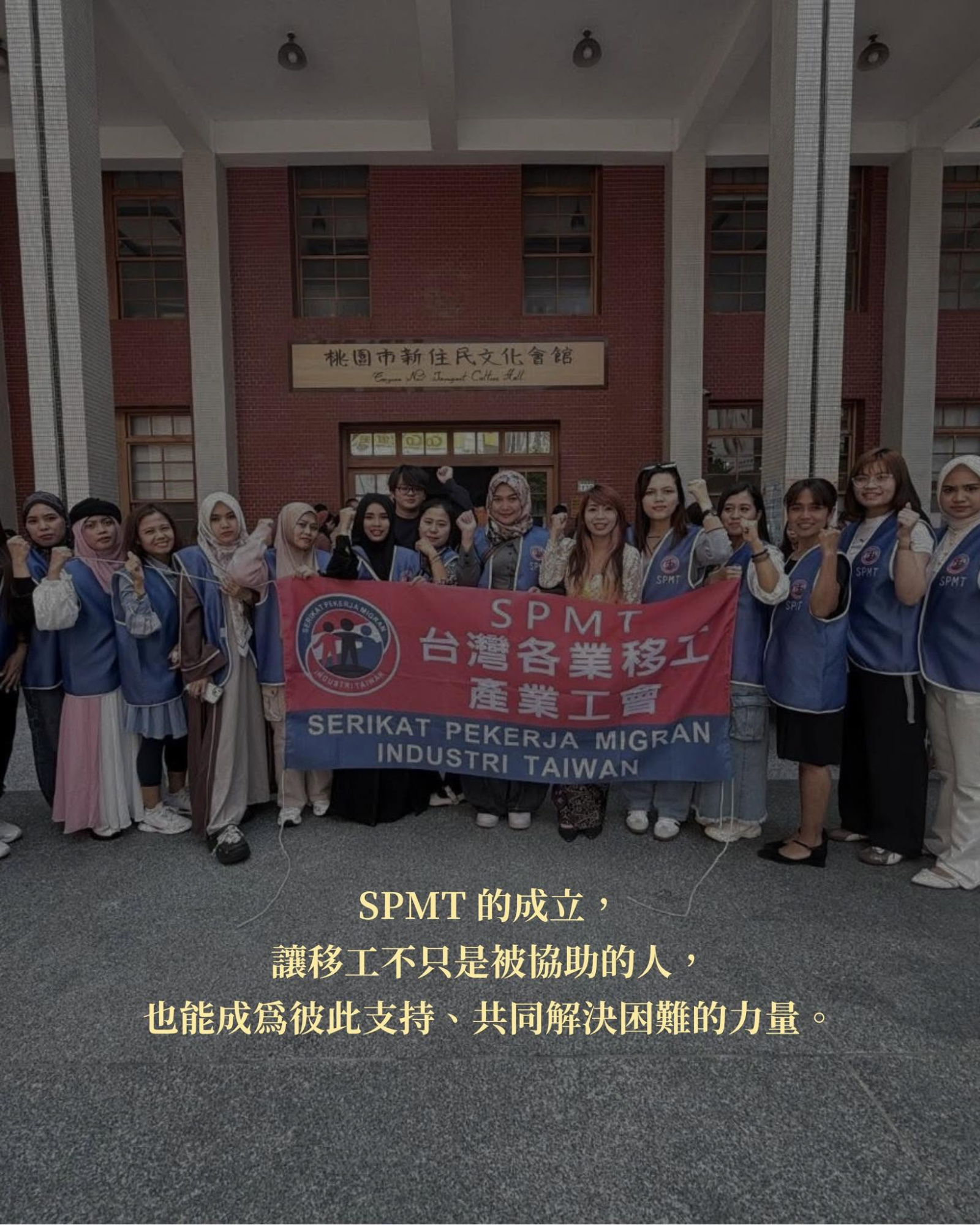
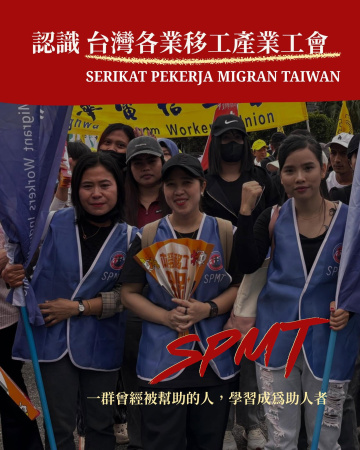
For the past 18 years, SPA has been dedicated to empowering migrant workers. We aim to amplify their voices and support them in understanding their rights—so that when facing employers, brokers, and the system, they know they can fight for fair treatment and work together with others to find solutions.
It is within this context that the Serikat Pekerja Migran Taiwan (SPMT) gradually took shape.
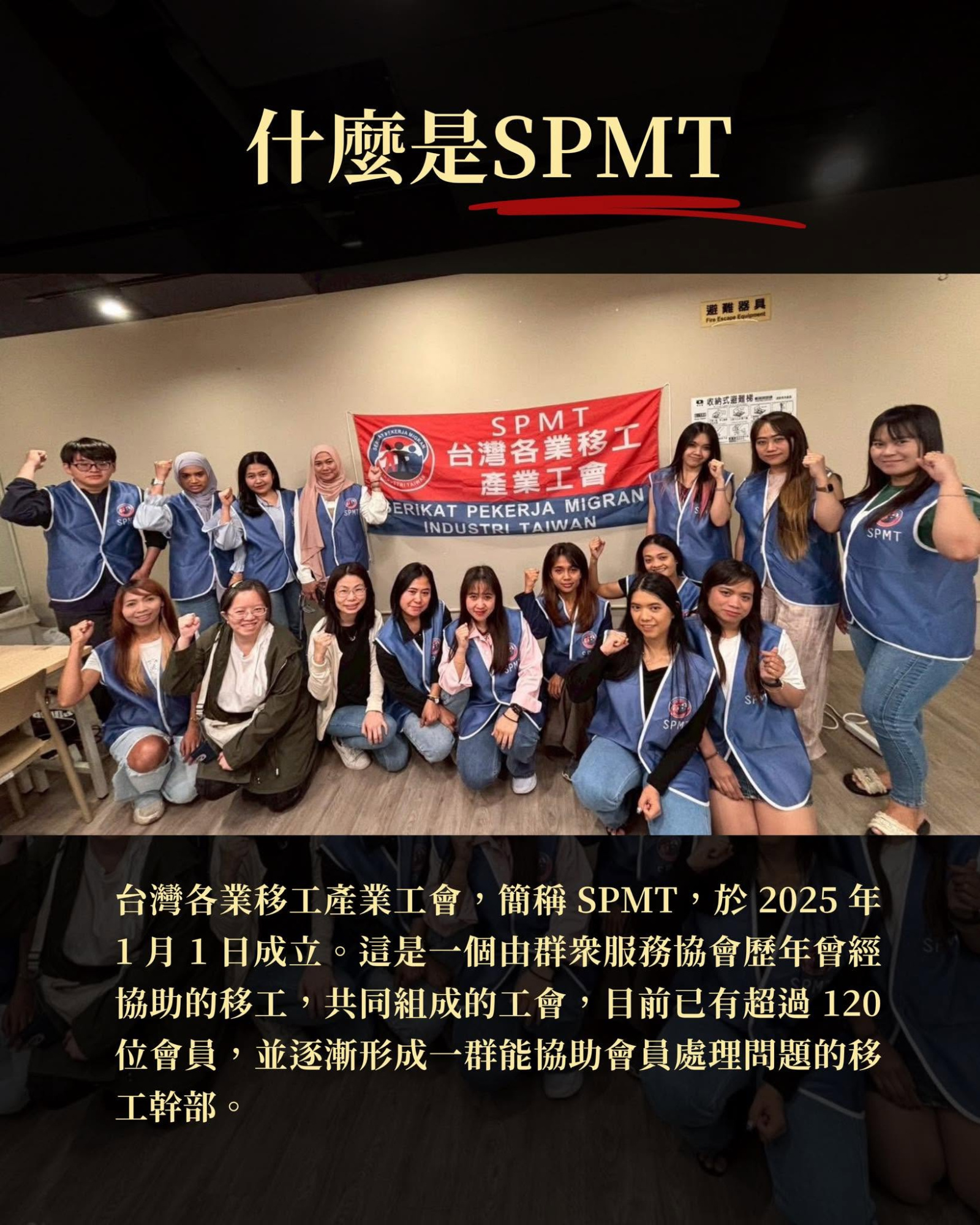
SPMT now has over 120 members, most of whom are migrant workers SPA has supported over the years. During their time working in Taiwan, they have faced a wide range of challenges: some were pregnant migrant workers who sought refuge in shelters; some experienced sexual harassment or violence from employers; others became involved in labor disputes and even took their cases to court.
These experiences have given SPMT members a deep understanding of why it is crucial to fight for their rights—and of the pressures and risks involved in doing so. Today, with SPA’s support and through mutual solidarity, these once-supported workers are now learning to support others. Some have even stepped up to become union leaders, taking on greater responsibilities within the organization.
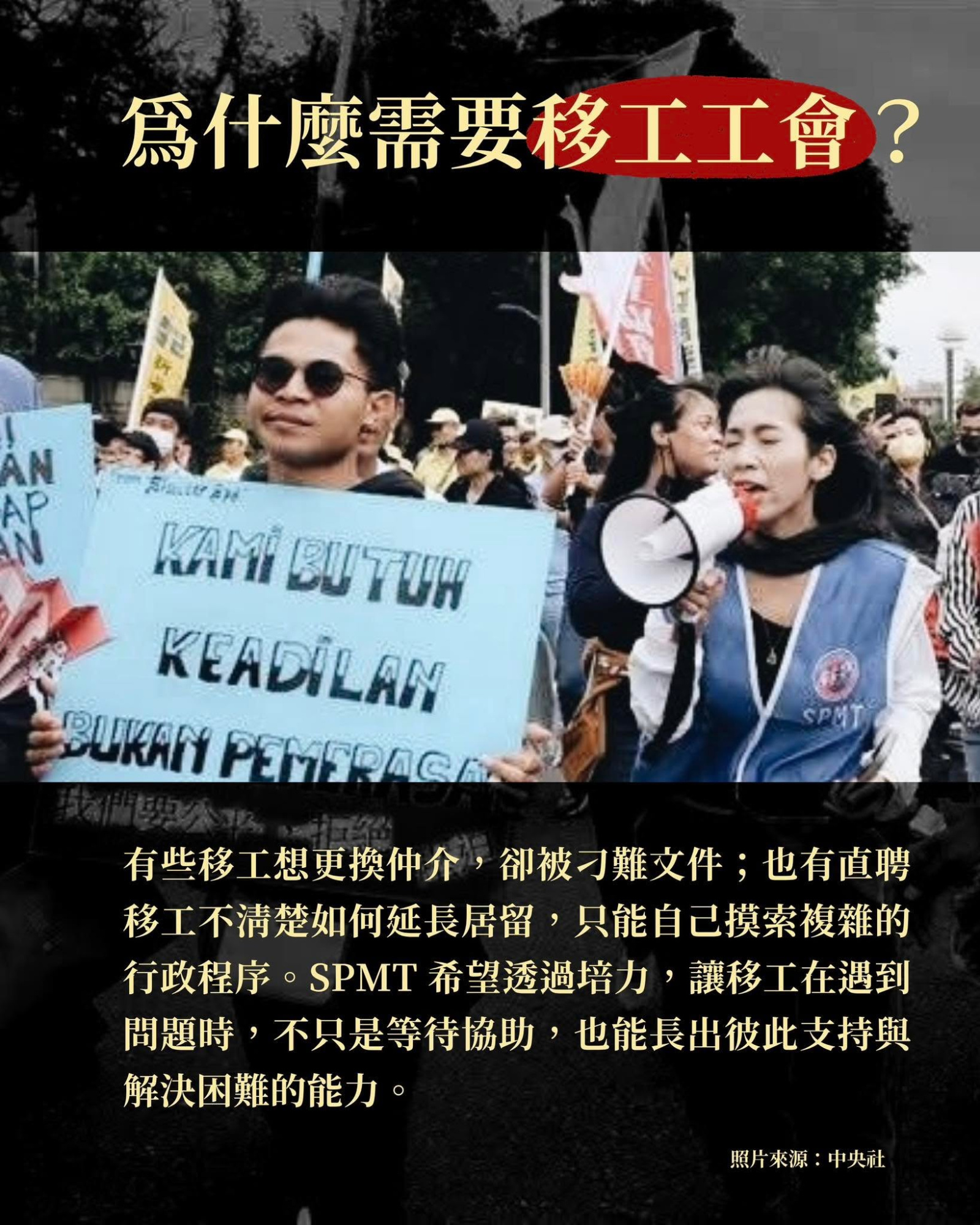
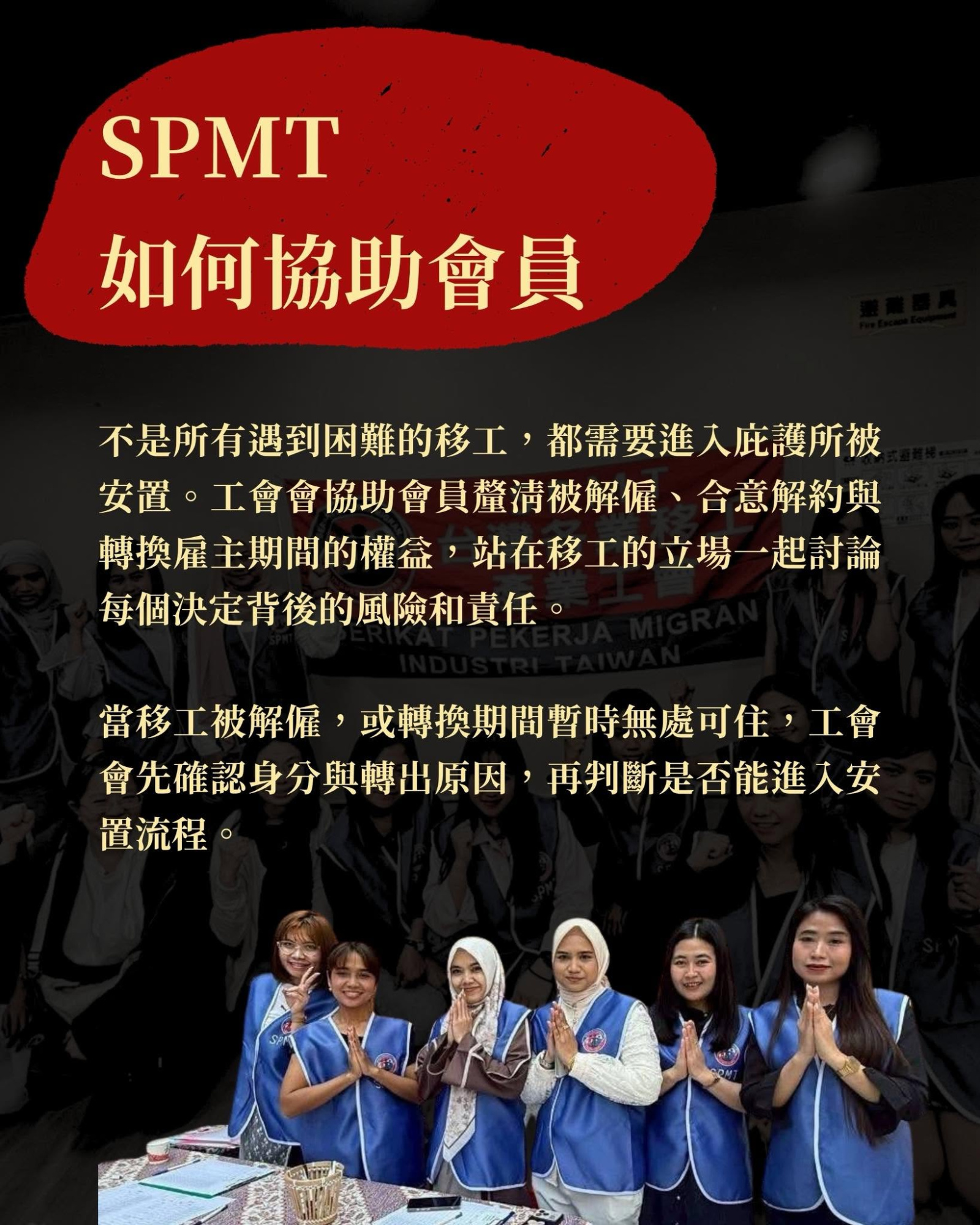
SPA regularly provides training for union leaders, helping them stay updated on labor regulations and develop the skills to assess cases and identify possible solutions. Over time, they have become key points of contact for fellow migrant workers seeking help. Leaders also hold regular meetings to discuss members’ challenges and have developed working groups such as media and case support teams.
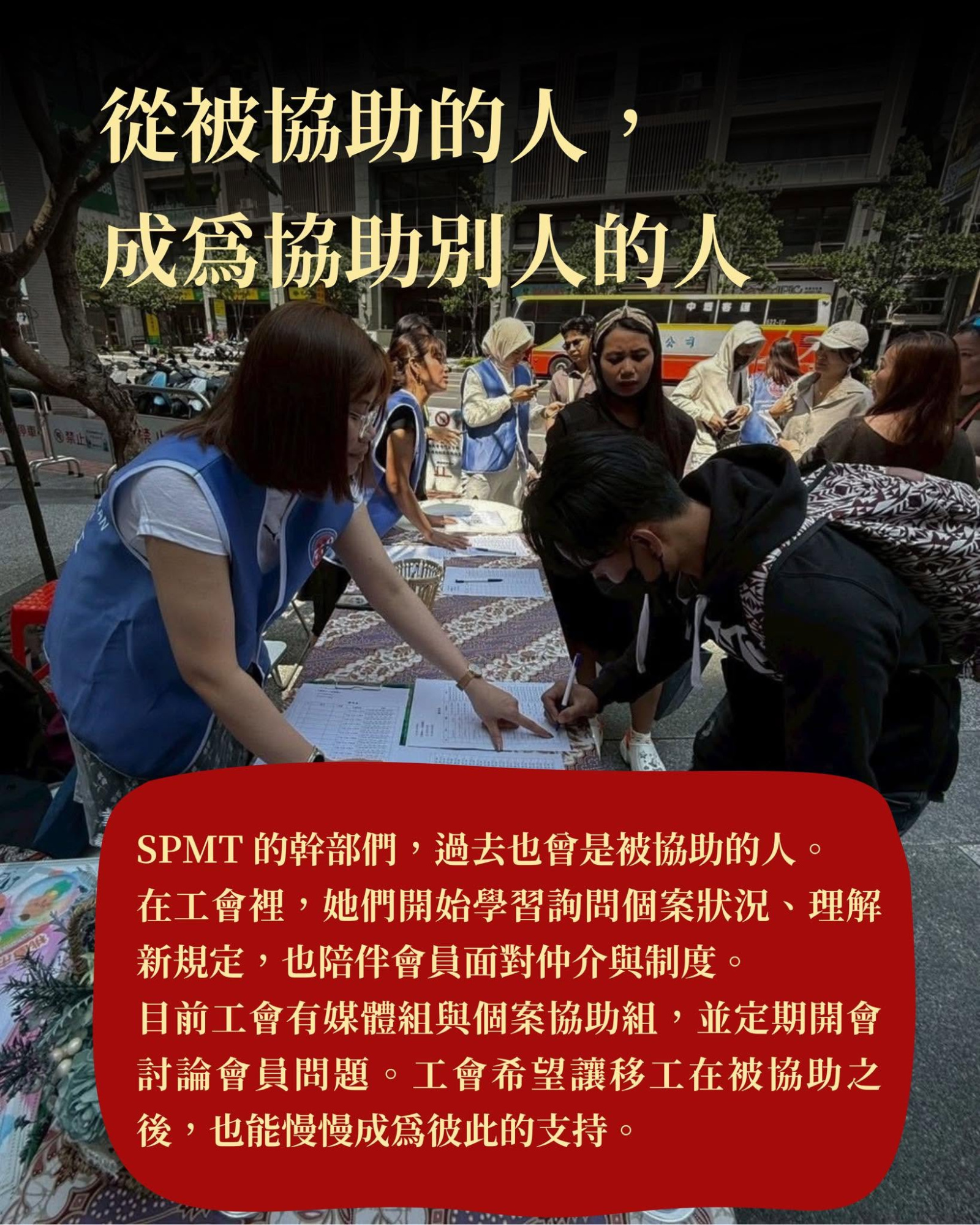
Running a migrant workers’ union is not easy. Many leaders cannot meet in person and must rely on online discussions. Their schedules are fragmented—meetings are often interrupted as members rush off to care for elderly people, or are forced to miss sessions due to unpredictable working hours.
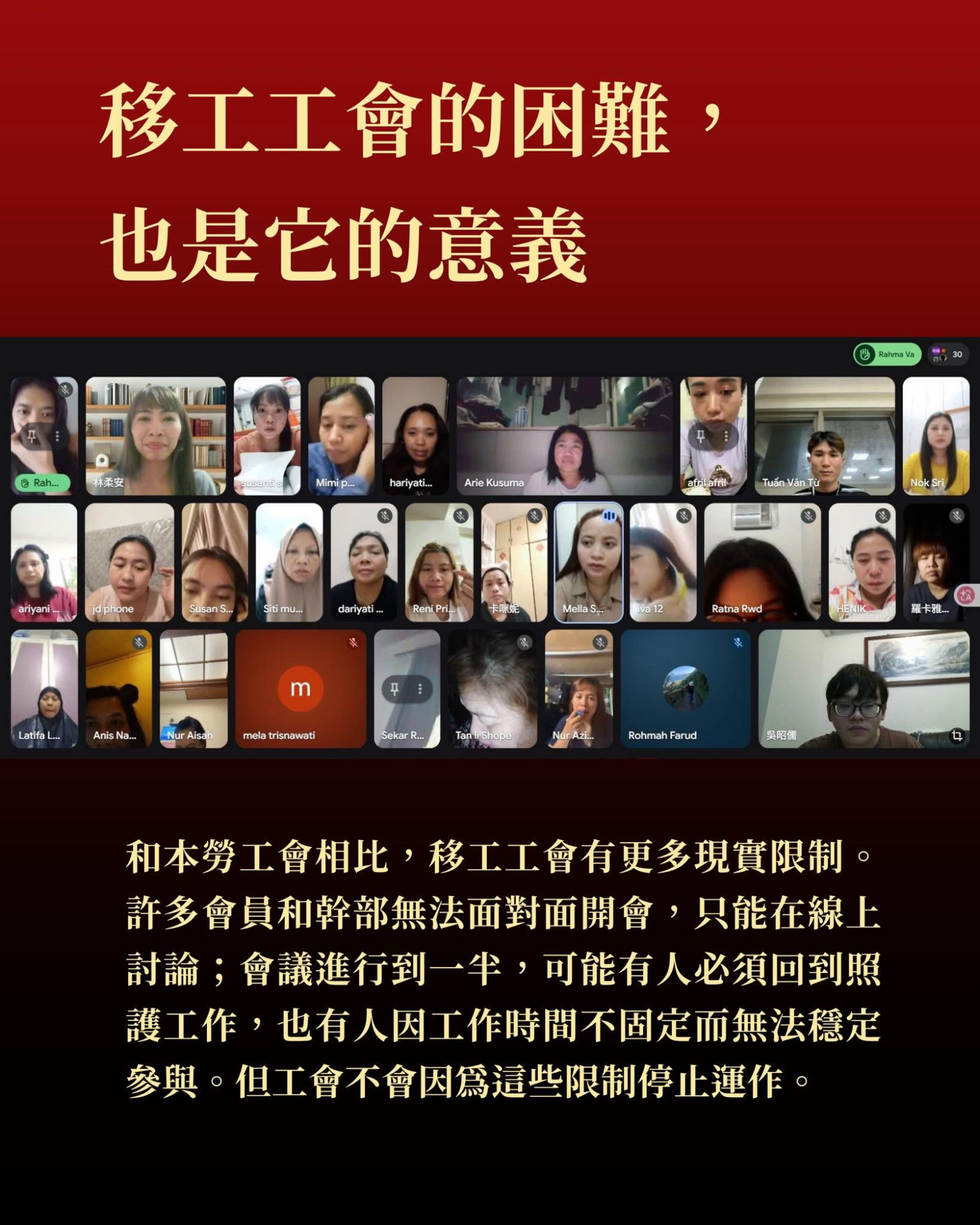
Yet this is exactly why SPMT matters so much. No matter how difficult the circumstances, losing the ability to speak out is not an option. No one should be spoken for. We must support those who are marginalized in developing their own voice and language—so that society can truly hear them.